I believe the expression is: 'there are no words'. The trailer for Trainspotting 2 has given me 'all the feels'. Finally, the sequel to one of the greatest movies of all time, and probably my favourite British movie ever, is here. And it's pretty much everything I could have hoped for.
T2 Trainspotting will be arriving at your cinematic station on January 27th 2017. Here's the poster and trailer:
Pages
- Buy my book here! The Devil's Advocates - THE BLAIR WITCH PROJECT - Buy now from Amazon by clicking here - Horror Channel call it a 'must buy' - Click here
- Home
- Rotten Tomatoes
- Starburst Magazine
- Amazing Radio
- Yahoo TV
- Media Magazine
- Interviews
- Short Stories
- Reviews A - M
- Reviews N - Z
- Trailers A-Z
- Published articles
- YouTube Videos
- Cannes 2015
- LFF 2017
- Static Mass Emporium
- What Culture
- Top 10 Lists
- A2 Film Studies
- AS Film Studies
- Music Video
- BTEC Film Studies
- BTEC TV and Film Industries
- All Time Top 100
Showing posts with label ewan mcgregor. Show all posts
Thursday, 3 November 2016
Sunday, 13 December 2015
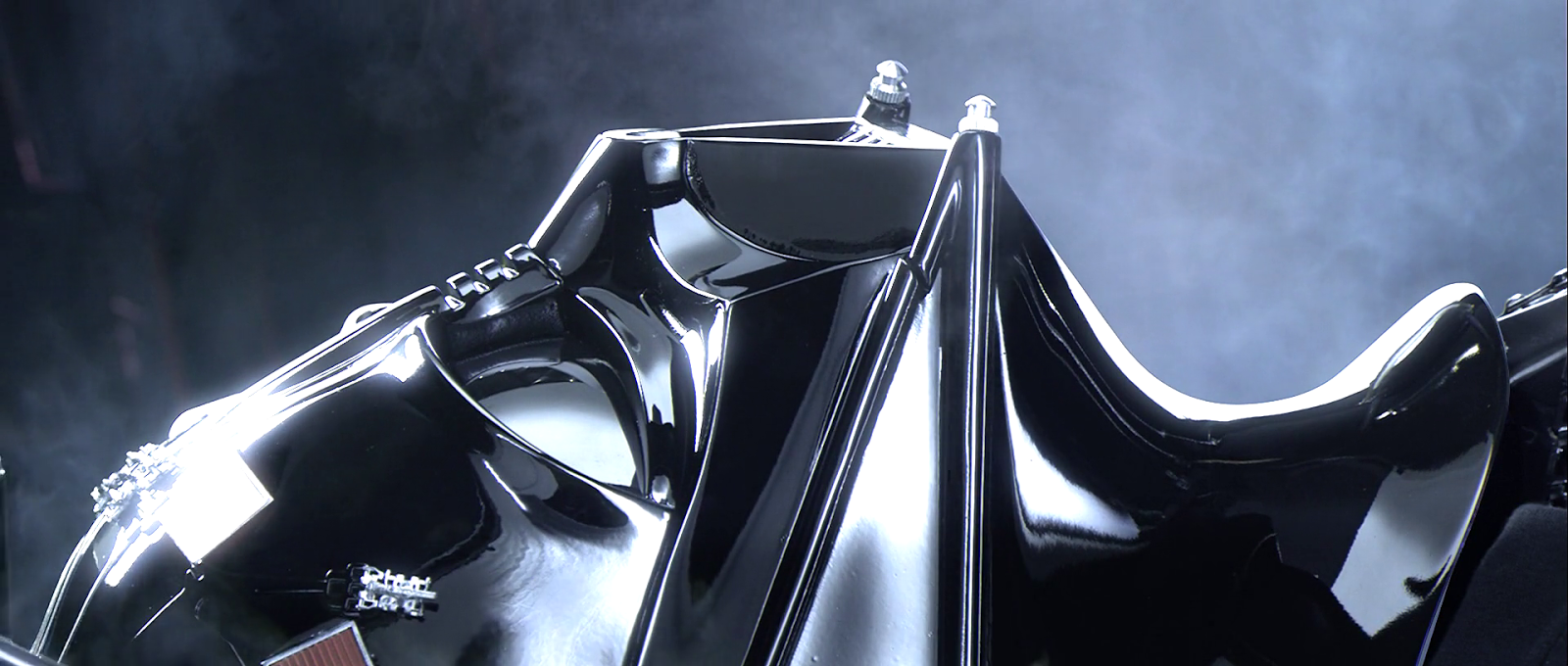
The Sith Hits the Fan: Revenge of the Sith
Imagine trying to explain to someone who has only seen the prequels why you're a Star Wars fan. Must be tough. Where do you begin? I guess a lot of fans would argue that this is not a conversation worth having. Unless the person you're speaking to has seen the original trilogy, there's really no use trying to convince them of the wonders, the magic and the potency of Star Wars as a saga.
Now I've watched Revenge of the Sith, it has become incredibly clear to me that the prequel trilogy just should have been one film. If you'd asked any Star Wars fan exactly what they wanted to see in the prequel trilogy before it had come to pass, I bet they would have said something along the lines of 'I'd like to see the first time Obi Wan and Anakin faced off against each other'. Maybe some would have said they'd like to see Obi Wan training Anakin. Maybe some would have said that they'd even enjoy a bit of younger Yoda getting into lightsaber fights with people three times his size.
No one would have said that they'd like to see Anakin as a little boy. NO ONE would have said that they'd like to see half a fucking film of Darth Vader falling in love and smooching and sitting in pretty countryside. Good Christ. If you haven't read my recaps of Episode 1 and 2, here they are below. It's not big, clever or pretty.
The Highs and Lows of Star Wars: The Phantom Menace
Attacking Star Wars: Attack of the Clones
If Revenge of the Sith had been basically the only prequel film to the original trilogy, I think that George Lucas and everyone else would now be a lot happier. This is what it's all about. We've suffered through some pretty unspeakable shit to get here, but once it gets down to Anakin turning on Obi Wan, it all suddenly and astonishingly becomes almost worthwhile.
Even Lucas sounds excited, starting the film with a full-on exclamation of 'War!' in the opening crawl As in violence! As in action! As in NOT SITTING IN A FIELD FUCKING SMOOCHING! Thanks be to the Gods! I breathed a sigh of relief when I read this. No more tax, no more trade routes. Looking good.
Ewan McGregor seems less bored with the whole shebang. Then he gets thrown through the air by Dooku, and it looks like shit. Wheeeeeeeeeeeeeeeeeeeeeeeeeeee! How come some special effects just don't work? At least McGregor isn't stuck talking to tennis ball after tennis ball.
Padme is preggers! There's a few scenes of the pair together, but luckily not enough to get me proper wound up. It's suddenly all so dark. Luke and Leia are just little innocent fetuses growing inside of her. Hopefully Luke isn't coming on to Leia in the womb or anything. I wouldn't put it past him. Anyway, after enduring Attack of the Clones I just can't wait to see these two pretty people torn apart. Stop hugging and do something dastardly Darth! I'm getting ahead of myself again. This is the eternal problems with prequels.
I'm guessing if you've seen The Clone Wars series, then General Grievous is more exciting to you than he is to me. I spent a good ten minutes wondering why a droid would be coughing before eventually finding out, he isn't a droid, but some kind of creature in droid armour. Anyway, he seems to only exist so that Lucas can stuff the frame with more lightsabers. Look! He's wielding four at a time! He must be terribly badass. Nope, Obi Wan makes fairly short work of him and for the record, more lightsabers does not a better lightsaber battle make! I suspect J.J. Abrams has made a note of this and is taking us back to basics in The Force Awakens.
The final fight between Obi Wan and Anakin is stunning. It's got a fantastic location that somehow avoids looking too fake (mostly). And these two characters that we care about are suddenly determined to kill each other. The full tragedy of the situation is abundantly clear. It really is bloody sad. Meanwhile, cutting to Padme dying while giving birth is a decent decision and you almost start to think that Lucas can be forgiven for everything that came before. These were the secenes he wanted to write. This is the backstory he had in mind when writing the original trilogy. If the fat had been trimmed, and all that Padme/Anakin stuff could have been cut right back to a bare minimum, maybe, this prequel trilogy could have been one great film. Shame Peter Jackson didn't get the memo in time for The Hobbit.
And it's absolutely horrifying seeing Anakin die. How they got away with a 12 rating for this is beyond me. It's brutal. I've seen Irreversible, Human Centipede, You name it. If it's sick, I've probably watched it. But people burning is always hard to handle. Anakin burns slowly and painfully after having his legs lopped off. And Obi Wan just leaves him to suffer. It seems like a particularly nasty thing to do, even after Anakin has slayed a bunch of Jedi kids. And if Obi Wan had just finished the job, well then there'd be no original trilogy so maybe that's not the best idea. Thanks Obi Wan for just watching him burn before walking off. Bastard.
After three films, Lucas seems to have finally found his mojo. It's almost like even he didn't care about all the stuff that came before. Once Anakin turns, it all goes so damn well. McGregor reminds us he can act. And Christensen has never been better. And then this...
Noooooooooooooooooooooooo. I know how you feel Darth. What a laughably awful moment. It had been going so brilliantly for a little while and then Lucas fucks up the birth of Darth Vader as we know and love him. Couldn't he have fallen to his knees? Punched a hole in a wall? Anything but this raising his hands and head to the sky crap! Oh dear. Well, never mind. Lucas kind of manages to pull it back from the brink with the Tatooine double sun shot below:
The Highs and Lows of Star Wars: The Phantom Menace
Attacking Star Wars: Attack of the Clones
Star Wars: The Original and Still the Best?
Wednesday, 9 December 2015
Before Steve Jobs: A Danny Boyle Retrospective
Director Danny Boyle's latest film Steve Jobs (read my review here) may not have set the box office alight (currently sitting at a $24 million gross off a $30 million budget), but it has been a hit with the critics and should snaffle a few big awards over the coming months. You never know quite what you're going to get next from Danny Boyle, as a look back at his wonderfully varied career shows.
Starting out in TV movies,
mini-series and episodes of Inspector Morse from 1987 to 1993, it took Danny
Boyle’s gripping debut feature Shallow Grave in 1994 for anyone to take notice
of the mild-mannered Northerner before he would go on to become a national
treasure last year. His career has gone from the controversy baiting
Trainspotting about a group of Scottish junkies to be being the pride of Britain
with his stunning marvel, the London 2012 Olympics Opening Ceremony. With Trance
about to hit cinemas, we take a look at just what it is that makes Danny Boyle
the best of British.
Danny Boyle’s debut feature film arrived
in 1994 with the frenetic, energetic and deeply dark Shallow Grave. Putting
Boyle and McGregor close to being on the map rather than slap bang in the centre;
it nevertheless introduces many of the themes, stylistic traits and
collaborations that would colour Boyle’s career. From its opening voiceover
(not nearly as cool as Trainspotting’s) to its mistrust between friends,
betrayal over a suitcase full of money and its collaboration between director
Boyle, writer John Hodge, producer Andrew Macdonald and star Ewan McGregor,
there are many signs of great things to come.
Three friends sharing an apartment in Scotland find a new housemate to
join them in their spare bedroom. After spending his first night there, the new
guy drops dead leaving a suitcase stuffed with cash for the three friends to
decide what to do with. When they decide to dump the body and keep the cash,
things turn swiftly sour. Greed, betrayal and brutality soon follow as gangster
types show up for the lost money and the three friends finally turn on each
other. Boyle’s mobile camera is wonderful to watch, the soundtrack pulses and
Ewan McGregor and Christopher Eccleston bring two very different characters to
the central triangle, leading to a thrilling and clever final act.
However 1996 was the year that Boyle really got noticed.
Trainspotting is his masterpiece, based on the book by Irvine Welsh and telling
the tale of Scottish junkies trying to kick the habit; failing, fucking and
finally trying to go straight after one big score. Ewan McGregor stars as Renton but the ensemble
cast of Ewan Bremner as loveable Spud, Robert Carlyle as psychopath Begbie,
Johnny Lee Miller, Kelly Macdonald, Kevin McKidd and Peter Mullan are all on
finest form. Working again with writer Hodge and producer Macdonald, the filmmaking
triumvirate produce the most iconic and best British film of the 90s.
Renton
and his ‘buddies’ should be despicable low lives but Boyle and his
collaborators keep all these junkies believable and most importantly
sympathetic… except maybe Robert Carlyle’s mini-madman Begbie. It was accused
of promoting heroin chic, a fashionably scrawny look still modelled by Kate
Moss, and of glamorising heroin use. It does neither, giving a brutally honest
account of the degradation and danger of heroin addiction but still managing to
give some character’s an almost happy Hollywood
ending. The soundtrack, the ‘choose life’ monologue and the iconic marketing
not only put Boyle on the map but also Britain and set McGregor off on
his journey to Star Wars.
odge and Andrw Hodge
How can you follow a film like
Trainspotting? Unfortunately it’s very difficult and some might say you just can’t.
Boyle took the lure of Hollywood dollars with
his next production; keeping McGregor, Hodges and Macdonald in tow but
producing the ambitious, surreal but fatally flawed misstep that is A Life Less
Ordinary. Released only a year after the success of Trainspotting it was bound
to be a disappointment but even on its own terms this tale of angels and
kidnapping fails to elicit much of a response, emotionally or intellectually.
It feels rushed, miscast and too silly for its own good. Cameron Diaz joined
the cast as a spoiled rich girl who allows herself to be kidnapped by Ewan
McGregor’s loveable oaf, but the chemistry, the comedy and the supernatural
interference of two of Heaven's angels fail to gel and offer a satisfying whole.
If there is one film in Boyle’s career to avoid, this is it.
Three years later Boyle returned with
another shot at the blockbuster; this time starring Leonardo DiCaprio in a role
that was promised to Ewan McGregor but then snatched away due to studio
interference. It caused a riff between Boyle and McGregor that is rumoured to
have only recently been resolved. It’s also a huge shame as Boyle’s adaptation
of Alex Garland’s incredible book The Beach feels like one big bucks compromise
after another. Richard, the hero of the book, is British and would have been a
better fit for McGregor and his unrequited love for the girl he couldn’t have
is a high point
of the novel. Instead the film makes the most of Leo’s heartthrob status and
has him shagging his away around the beautiful, idyllic island hideaway of the
title.
Lots of Boyle’s fun and funky stylistic traits are there and
Leo isn’t bad as Richard but the film had a huge mountain to climb to be
anywhere near as brilliant as the book. Shooting in Thailand and making the most of
beautiful locations, the ending was also changed from the novel in an exciting
direction. More interestingly, the collaboration between Boyle and
McGregor came to a close, but it opened the door to a new collaboration.
After the critical shrug towards The
Beach, Boyle retreated to television to complete a couple of television movies
in 2001. Feeling refreshed and ready to take on a feature film again, Boyle
resisted the studios and offers of big budgets and decided instead to film a
zombie movie that would redefine the genre forever. 28 Days Later marked his
second collaboration of sorts with writer Alex Garland. Whereas Garland wrote only The Beach novel with Hodges penning the
screenplay, 28 Days Later was Garland’s
first film script.
Featuring Cillian Murphy (who would
later appear again in Sunshine), 28 Days Later is the story of a virus that
spreads throughout Britain turning people into blood-spewing rage-filled
savages, the Infected. Giving the zombie genre a vital shot in the arm by
unleashing basically what amounted to sprinting, extra-terrifying zombies, its
digitally shot, low budget thrills are just what the British horror film needed
and also sent Boyle in a new direction, sticking with lower budgets to enhance
his creative and bold visions. 28 Days Later feels like Boyle back to his
roots; low budget, British characters and setting, gritty, brutal, but stylish
and subtly commercial enough to attract the American audience. It also marked
the start of his collaboration with director of photography Anthony Dod Mantle
that would continue through Millions, Slumdog Millionaire, 127 Hours and Trance and his collaboration with composer John Murphy that would make
more music together through Millions and Sunshine.
Sticking to home turf, a small story
and returning to a narrative that spins around an ill-gotten bag full of money
(see also Shallow Grave and the final act of Trainspotting), Boyle’s next film
introduced him to the wonders of working with children, which he would again do
in Slumdog Millionaire. Millions feels a little like an anomaly in
Boyle’s career though. It is the utterly charming and completely surreal tale
of two little boys who come across a large amount of money as Britain
prepares to convert to the Euro. It’s alt-universe where England has decided to go with the
common currency is far from the strangest things about it. One of the little
boys sees saints everywhere and even converses with them. There is a strong
spiritual element throughout with stars in the sky, a pivotal nativity play and
Jehovah’s Witnesses all featuring heavily.
Though that all might bring back
unwelcome memories of A Life Less Ordinary and its not so heavenly angels,
Millions is far smarter and more surreal, but also much more emotional than Boyle’s
earlier misfire. Its ending is completely bonkers but Millions is worth a look
to see Boyle at his weirdest. Incredibly, it manages to balance family drama and
laughs and with smart scripting and intelligent themes.
In 2007, Boyle returned to Alex
Garland for his next script, the science fiction scorcher Sunshine. Infinitely
smarter than many examples of the genre, it’s not quite Danny Boyle’s 2001: A
Space Odyssey but it is an outstandingly shot, edited, scored and special
effects dependent intellectual blockbuster. Though it may sound more like Michael Bay than Stanley Kubrick with a crew of
scientists sent to kick start the dying sun with a nuclear weapon, it is
smarter than the average mission to save the Earth stupidity.
With its beautiful and haunting score
from John Murphy, incredible special effects and gorgeous cinematography, it is
worlds away from anything Boyle had directed before, despite the presence of
Cillian Murphy, returning after their collaboration on 28 Days Later.
Danny Boyle’s next two films were
both written by Simon Beaufoy, the writer who until then had been best known
for The Full Monty. Slumdog Millionaire and 127 Hours were both adaptations of
books, something Boyle had not attempted since the success of Trainspotting and
the relative disappointment of The Beach. Slumdog Millionaire gained Boyle real
international recognition and acceptance as it scooped eight Academy Awards.
Its success not only reflected Boyle’s incredible directing talent but also the
spot on selection of his collaborators from Anthony Dod Mantle’s cinematography
to Beaufoy’s screenplay to his editing and music teams.
Slumdog Millionaire also confirmed Boyle as a director at
his best working with budgetary constraints and with a vibrant culture to
capture and put up on screen. His work with the young Indian non-professional
actors recalls his eliciting of wonderful performances from the boys in
Millions.
Boyle then took restraints to new limits with his adaptation
of Aron Ralston’s incredible survival tale Between a Rock and Hard Place.
Sticking James Franco down a canyon and trapping him under a rock for 127 Hours
meant the real star of the film was not just Franco and his desperate,
determined performance but also Boyle’s signature kinetic style. For a film so
limited to one location (and a claustrophobic one at that), 127 Hours is a
speedy, zippy, film-making tour de force with whizzing camerawork, split
screens and choppy editing all amounting to a highly emotional and cathartic cinematic
journey.
It is not only a great tale of survival, like a real-life Saw film, but 127 Hours also brings together many of the themes of
Boyle's film career to date. From Trainspotting’s opening sprint through the Edinburgh streets set to Iggy Pop’s Lust for Life, Danny
Boyle has created memorable characters whose life-affirming stories really do
show a strong desire to survive from Renton
kicking heroin to Ralston cutting his own arm off. There are elements of the
spiritual present with Franco’s hero finding hope in premonitions of his future
son. Angels, saints, hope and visions of paradise have all featured in Boyle’s
films of the past and Ralston is forced to question his morals and values while
trapped in the canyon. Danny Boyle’s films have always questioned moral choices
over money, drugs and the value of human life.
He is a director who has traversed
genres like few others. Not content with this, Boyle recently directed his own
version of Frankenstein at the National Theatre and quickly and conscientiously
silenced the cynics by putting on one of the greatest Olympic Opening
Ceremonies the world has ever seen.
Trance sees him work with James
McAvoy, Rosario Dawson and Vincent Cassel for the first time in a trippy
art-heist thriller that also sees him reunite with writer John Hodge and
director of photography Anthony Dod Mantle. With the news that the long-awaited
sequel to Trainspotting will now be arriving in 2017 with the original cast
intact, it looks as though Danny Boyle’s lust for a life in filmmaking is set
to continue long into the future.
Wednesday, 28 January 2015
Son of a Gun Review
Young, naive JR is sent to prison for a lowly crime where he quickly becomes the target of some very dangerous men on the inside. Luckily, the fresh faced JR is also noticed by Brendan Lynch (Ewan MacGregor), a professional criminal who takes JR under his wing and protects him while on the inside. Brendan’s help comes at a cost though, and JR is soon embroiled with a daring prison escape. Once on the outside, JR becomes an apprentice to Brendan as they plan a major robbery but it soon becomes clear to JR that he may be just a pawn in a very dangerous world of high stakes criminality.
The father and son dynamic
between JR and Brendan is more interesting than the romance that develops
between JR and Alicia Vikander’s endangered damsel. It’s a shame Vikander does
not get a fully rounded character to show off more than just her striking beauty but instead
Ewan MacGregor seizes his role as an unpredictable psycho and relishes it. He is the ruthless spark at the centre of the story and provides the film with its most interesting and volatile character.
Son of a Gun is hampered by predictable plotting but it still manages some very tense set pieces.
Starting off as a realistic prison drama, it soon emerges into the
Aussie sunlight and develops into something a little more fanciful on its way
to a wonderfully tense heist as the criminals go after a horde of gold. The
double and triple crosses won’t be surprising to many, but decent performances
and some thrilling action keep Son of a Gun from firing too many blanks.
Watch the trailer:
More recent reviews:
Wild
Thursday, 10 January 2013
The Impossible Review
The Impossible opens with a terrible rumble
sound. If you know what the story is about, you are immediately filled with a
sense of dread that lingers long into the film until you realise the impossible
has been achieved. The film is technically accomplished, brilliantly acted by
the big stars and not as insensitive as the story of a family of foreigners
affected by the 2004 Boxing Day Tsunami tragedy could have been.
Sadly the
decision to cast Watts and McGregor to enable
the film to have a big budget and sell to a large audience is necessary to
attract attention and the level of investment needed to do the story justice.
It is a shame that a real Spanish family become a British family in the film and
that the deaths of 230,000 people are not the focus but on the other hand as a
story of one family's experience of the disaster, The Impossible excels. The
disaster is too huge for one film and so like World Trade Centre before it, The
Impossible narrows its focus.
Though the film focuses
on foreigners, the local people emerge as the real heroes. The hospital staff,
villagers and others show incredible determination, sympathy and strength in
the face of one of the worst natural disasters in history.
Tsunami survivors are unlikely to find The
Impossible entertaining or have a desire to see it but this is because it is an
incredible recreation of what happened; sickening, horrifying and
breathtakingly realised.
For those not directly affected by the real
life events depicted, it is enjoyable to an extent because although it is
incredibly tragic, there is also so much hope and happiness (if just for this
one family) in the film. However it is a tough watch and unbelievably sad, made
more so by the bravura filmmaking and performances.
The eldest kid Lucas played by Tom Holland is amazing,
carrying much of the film and doing a brilliant job. The two youngest kids
waver a little bit but not enough to do any damage. McGregor is superb particularly
in one heart wrenching sequence involving a phone call home, while Watts’ glamour and beauty are left bruised, battered and
utterly redundant in the face of what her character endures. The production design is so convincing and the many extras
around must have really helped all the actors, but especially the kids.
The moment the wave hits leads to an
incredibly visceral sequence that is terrifying, shocking and impossible to
take your eyes off the screen. The sound design, cinematography and practical
effects combine to create a sickening sense of what it would have been like to
be there. It is astonishing filmmaking; heart breaking and relentless and
completely unforgettable.
Moments of the film may be sentimental but
it's a story that does truly seem impossible. If Hollywood had made it up you would likely be
disgusted. But the sentimental stuff is handled well and with the exception of
a couple of scenes, it is not overly manipulative.
Real life tragedies deserve big screen
treatments if they are handled sensitively and this film stands as a testament
to the Thai people and their selflessness in the face of utter despair. What
isn't appropriate is showing the trailer in front of The Hobbit without a
warning. People should be able to choose whether or not they wish to be
assaulted by such a film and the thought of somebody being ‘ambushed’ by the
images in the trailer is saddening.
I hope that people
will see the film and realise how wonderful the Thai people are and hopefully
future generations can get a sense of what a tragedy it was.
The Impossible
is a huge emotional and technical accomplishment. It manages to tell the small
story of one family in a huge disaster and sensitively portray both the
intimate and the epic of the tragedy. Though the focus is on a foreign family,
half-drowned and lucky to be alive, it is the local people who surface as the
heroes. The performances are amazing, aided in no small part by the incredible
production design and terrifyingly real special effects.
The Impossible is a very powerful film,
incredibly moving and emotionally devastating. Along with United 93, it is one
of the most realistic depictions of a real life tragedy you will ever see. It
is impossible to remain unaffected by the plight of the people in the story and
by the credits it is impossible to move from your seat. Hopefully some of the
profits will be put to good use in the places affected by the disaster.The Impossible is easily an early contender for my top 10 of 2013.
Tuesday, 17 April 2012
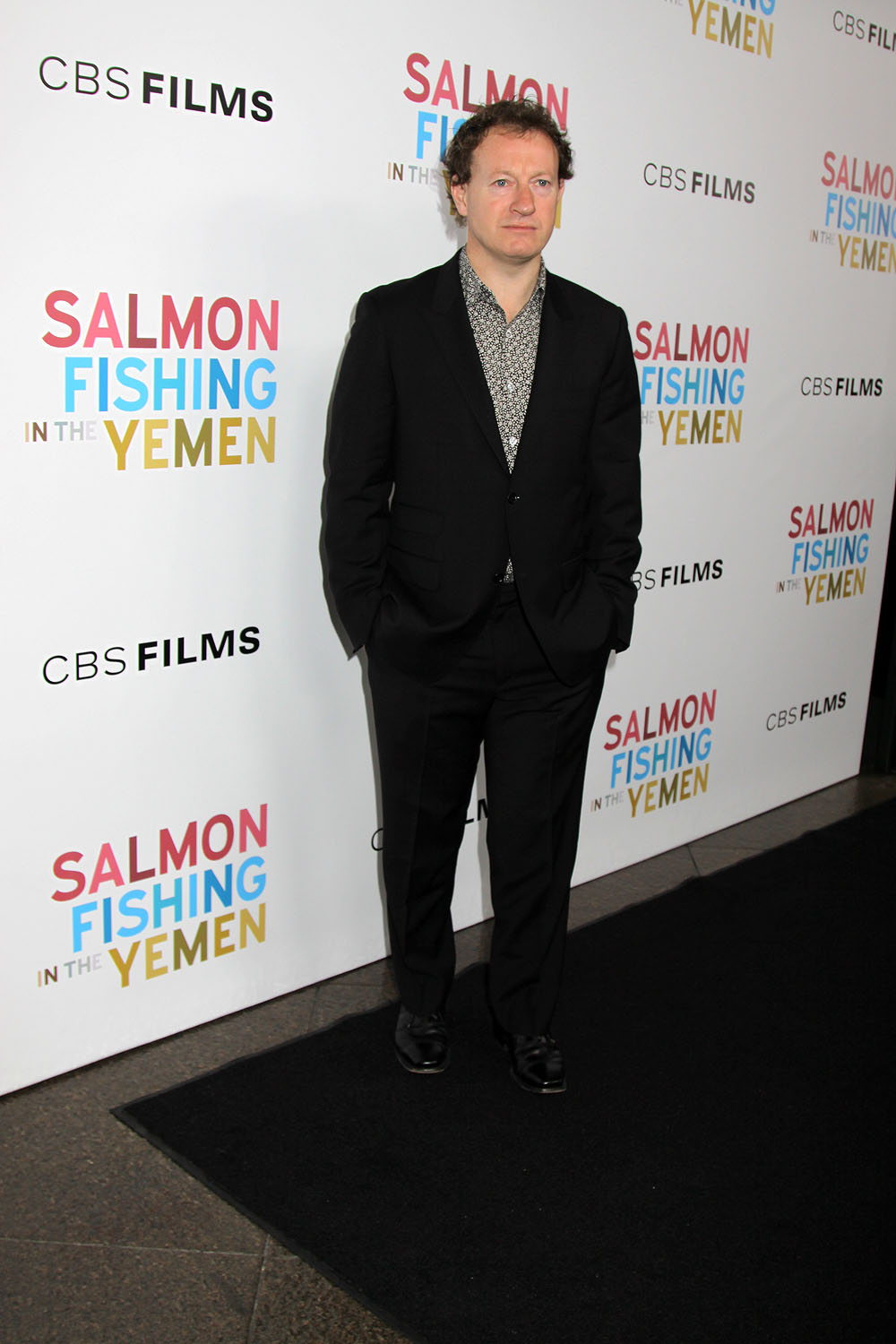
Salmon Fishing in the Yemen (Lasse Hallstrom, 2012) Review
Satire runs dry in
a soggy romance.
Fisheries expert Dr Alfred Jones (Ewan McGregor) gets reeled in by a
billionaire Sheik and his lovely assistant Harriet (Emily Blunt) in attempting
to bring salmon and fishing to the desert
of Yemen. But can a love affair bloom in the arid region?
Despite his reservations, Dr Jones (far less exciting than his
namesake, the adventuring archaeologist) accepts the offer of bringing fishing
to the desert. This decision is made
easier by his tentative relationship with the Sheik’s delightful assistant but
also because of the UK government’s pressure to create a story of positive
Yemeni-British relations.
Casting the net and catching Kristin Scott Thomas is the greatest
achievement of director Lasse Hallstrom whose former glories (Chocolat, The Cider House Rules) seem
like distant memories. Scott Thomas lands
the tastiest role as the Prime Minister’s press guru and gets all the laughs
with the sneaking satire that made the book so well loved. Her oily spin doctor slices through the
sentimentality of the script delivering welcome moments of spiky dialogue like
a cactus in a sea of sand.
Despite being quite an appealing character with his musings on faith
and fishing, the Sheik’s motives for his expensive experiment remain
fishy. The violent complications that
briefly add excitement to the story are dubiously dealt out by those typically slippery
Middle Eastern stereotypes but the film does question the ethics and intentions
of both the wealthy Sheikh and those intent on destroying what he intends to
create.
The love affairs of the upper crust characters fail to ignite the
screen with the relationship between McGregor and Blunt being a little damp but
both stars give charming performances given the limitations and predictability
of the script. It’s all very typically
upper middle class with restraint and lip-chewing over who should jump in the
sack with who but the resolution is never in doubt and the emotions are all so
reserved, it fails to hook the audience or swim away with any tears.
Simon Beaufoy, an extremely reliable screenwriter, adapts Paul
Torday’s book but has lost much of the political satire present in the
source. Following excellent adaptations
that even exceed their origins with 127
Hours and Slumdog Millionaire,
this is somewhat of a disappointment from Beaufoy. Next up he’s tackling Hunger Games sequel Catching
Fire. Let’s hope he hooks a bigger beauty
with that one.
Nevertheless the film is infinitely more entertaining than anyone
with no interest in salmon, fishing or Yemen would suspect. It’s a sweet if only mildly satisfying
romance that has a memorable turn from Kristen Scott Thomas. As a whole, most minds will release it as
quick as they caught it.
While not even remotely close to being as boring as the title would
suggest, this film is still highly unlikely to get you swimming upstream for
it.
I give it 5/10 but I don't think I'm the target audience.
Released Friday 20th
April in the UK.
Subscribe to:
Posts (Atom)